Running a small business in the Redlands often means making careful decisions about digital marketing and ad spend. With limited marketing budgets, choosing between Google Ads or social media ads can feel overwhelming. Both channels promise visibility, leads, and better results, but they work in very different ways.
Understanding the difference between Google Ads vs social media, and how each fits into your business model, helps local businesses invest with confidence rather than guesswork.
Understanding Intent vs Visibility
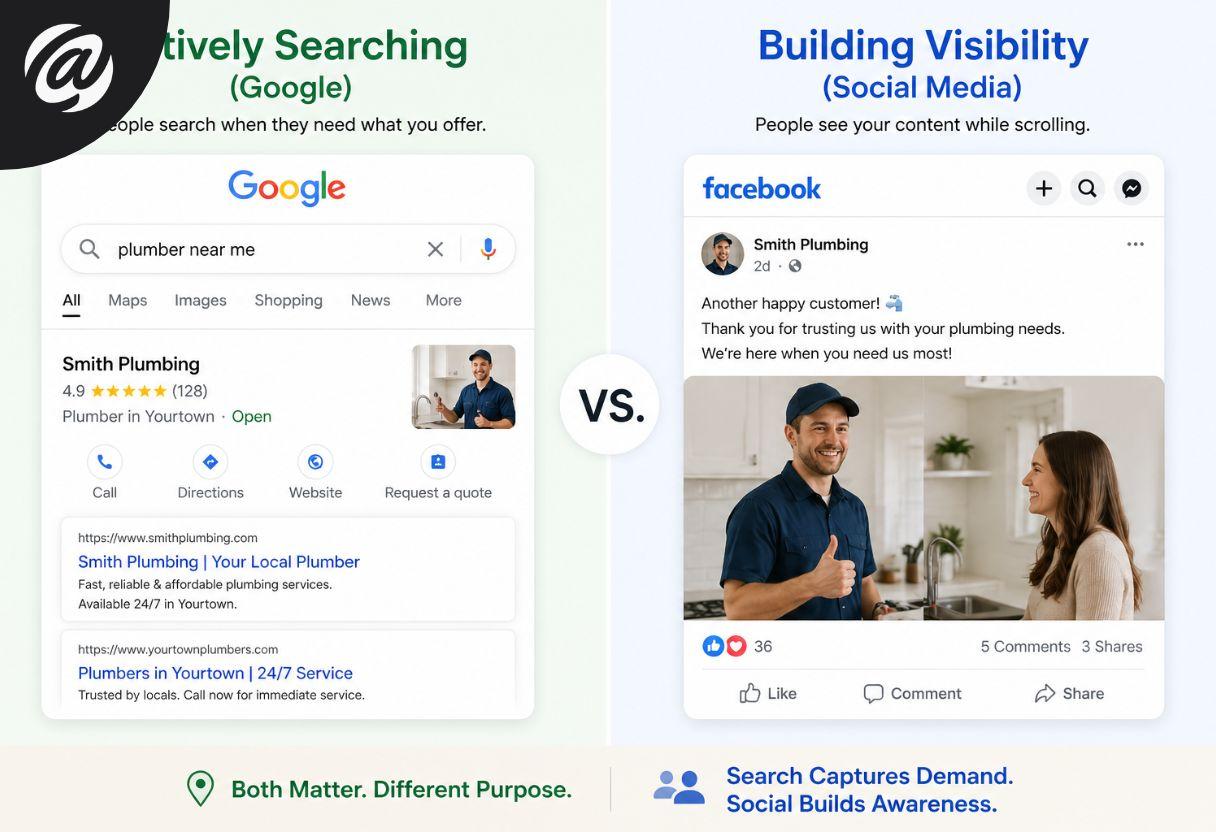
The biggest difference between ads vs social media marketing comes down to intent vs visibility.
Google Ads captures demand that already exists. When someone is actively searching for a service, looking for what you sell, or searching for a solution, Google places your business at the top of the search results. These people already need your services.
Social media marketing, including paid social and social ads, focuses on visibility and brand recognition. Social media platforms like Facebook and Instagram help businesses get in front of local audiences who may not yet be searching, but could become potential customers over time.
Both channels support different stages of the customer journey.
How Google Ads Works for Local Businesses
Google Ads works by showing your business profile when people are searching for what you offer. This is why Google Ads works especially well for service businesses and industries like emergency repairs, trades, health services, and professional services.
Why Google Ads delivers high‑intent leads
- Targets people who are already searching for a service
- Appears at the top of the search results
- Captures demand that already exists
- Drives local leads from people looking for a solution
- Strong for lead generation and per lead tracking
This is often described as high‑intent PPC (pay per click) advertising. You only pay when someone clicks on your ad, making cost per click and cost per lead easier to measure. For businesses that need enquiries now, Google Ads captures users with immediate intent, such as “emergency electrician” or “plumber near me”.
Google Ads Cost and ROI
Google Ads cost varies based on keyword competition, click cost, and industry. Some keywords cost more per click, but often deliver better ROI because they convert faster. Key performance metrics include:
- Cost per click
- Cost per lead
- Conversion rates
- Return on ad spend
When Google Ads is aligned with clear business goals, it often delivers better ROI than broader advertising methods. Google Ads captures leads from people who are already searching and ready to act.
How Social Media Advertising Supports Growth
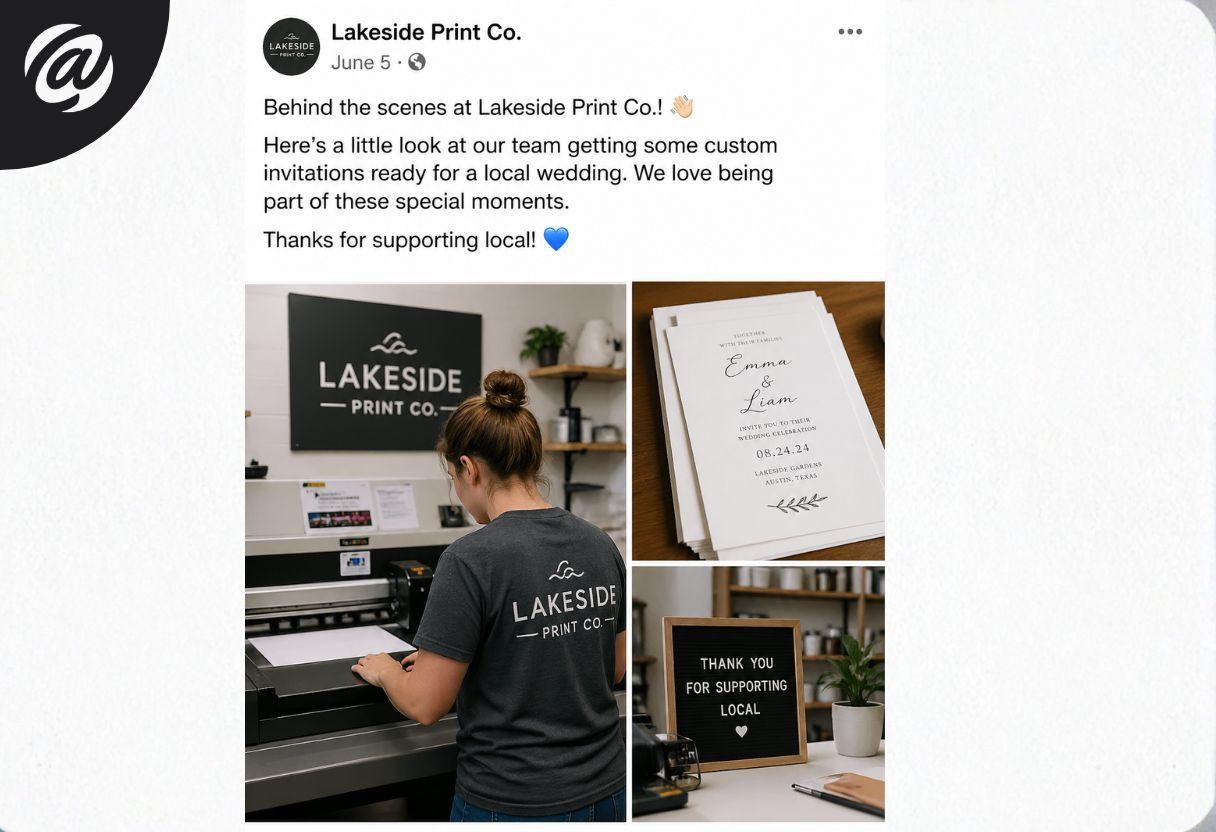
Social media advertising works differently. Social channels like Facebook and Instagram help businesses get in front of local audiences while they scroll, browse, and engage with content.
Strengths of social media ads
- Builds social media presence and brand recognition
- Supports the marketing funnel at the awareness stage
- Ideal for remarketing and staying visible
- Reaches potential customers based on interests and location
Paid social and social media advertising works well for businesses that rely on trust, familiarity, or repeat engagement. Social ads are particularly effective for showcasing offers, promotions, reviews, and behind‑the‑scenes content.
Limitations of Social Media Ads
Unlike Google Ads, social media ads interrupt attention rather than respond to intent. People are not actively searching when they see social media ads. This means:
- Conversion rates can be lower
- Cost per lead may be higher
- Results depend heavily on creative and targeting
Social media advertising works best when supported by a strong marketing strategy and consistent messaging.
Google Ads and Social Media Together
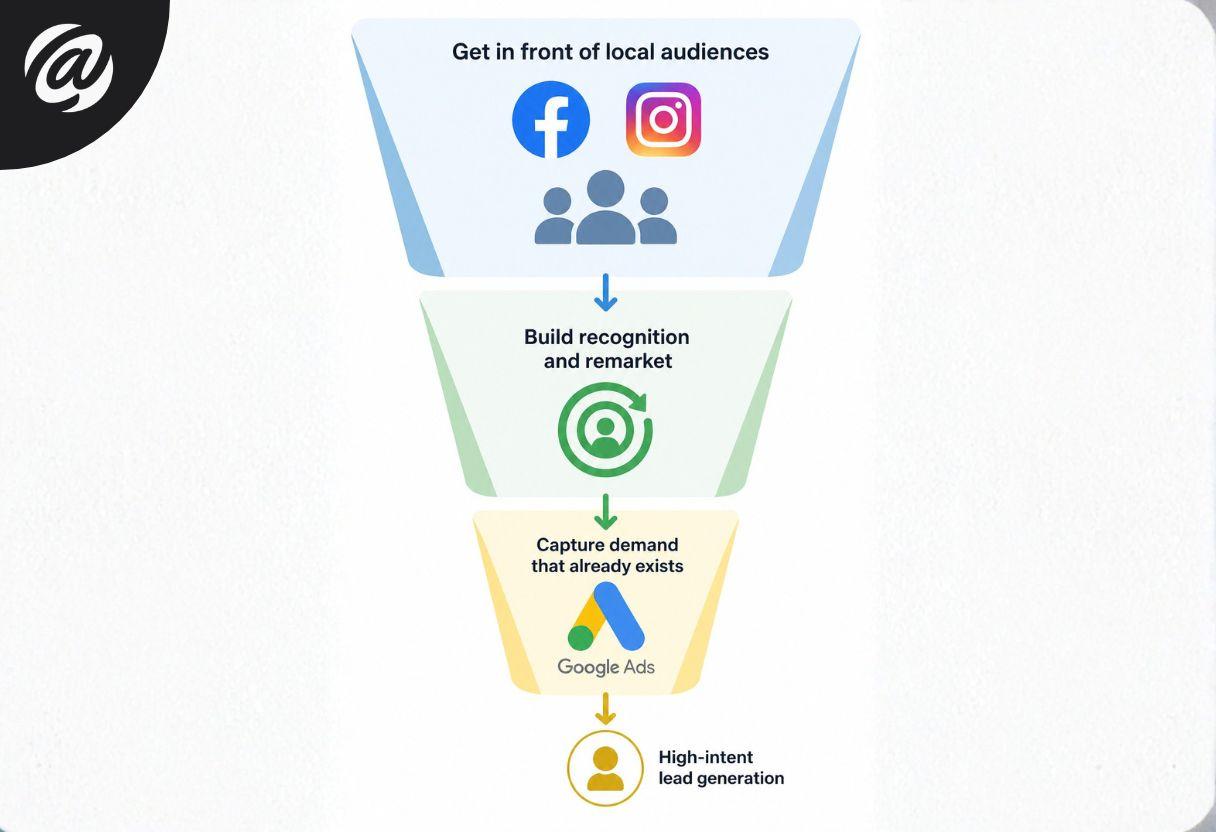
For many local businesses, Google Ads and social media ads work best together. Google Ads captures people who are already searching. Social media builds trust, visibility, and familiarity. This combination supports the full marketing funnel:
- Social media platforms create awareness
- Google Ads captures high‑intent traffic
- Remarketing reinforces brand recognition
When potential customers click on your ad and then check your social media presence, consistency often drives better results.
Choosing Between Google Ads or Social Media
Choosing between Google Ads or social media ads depends on several factors:
- Business goals
- Target audience
- Marketing budget
- Customer journey length
- Type of service or product
Businesses that rely on immediate enquiries often see Google Ads delivers better ROI. Businesses focused on long‑term growth, brand visibility, and community engagement often benefit from social media marketing.
For many small businesses, the best strategy is not Google Ads vs social media, but using both channels in the right balance.
Where Small Businesses Often See Better Results
Local businesses in Redlands often find:
- Google Ads works best for searching for a service
- Social media works best for staying front of local audiences
- Google Ads captures high‑intent leads
- Social media supports trust and recall
This approach helps businesses get in front of people who need your services while also maintaining visibility with potential customers who are not ready yet.
Digital Advertising Needs a Strong Foundation
No digital advertising strategy performs well without a clear foundation. Website quality, messaging, and user experience directly affect conversion rates. Common improvements businesses need to include:
- Clear service pages for keywords
- Strong calls to action
- Fast mobile performance
- Simple enquiry forms
Even the best ads work only as well as the experience after the click.
Final Thoughts
Digital marketing is not about choosing the most popular platform. It is about choosing what aligns with your business model, target audience, and marketing goals. Google Ads captures demand that already exists. Social media advertising builds long‑term visibility and trust.
Together we can help businesses invest wisely, manage ad spend confidently, and choose a marketing strategy that delivers sustainable growth rather than short‑term wins.